




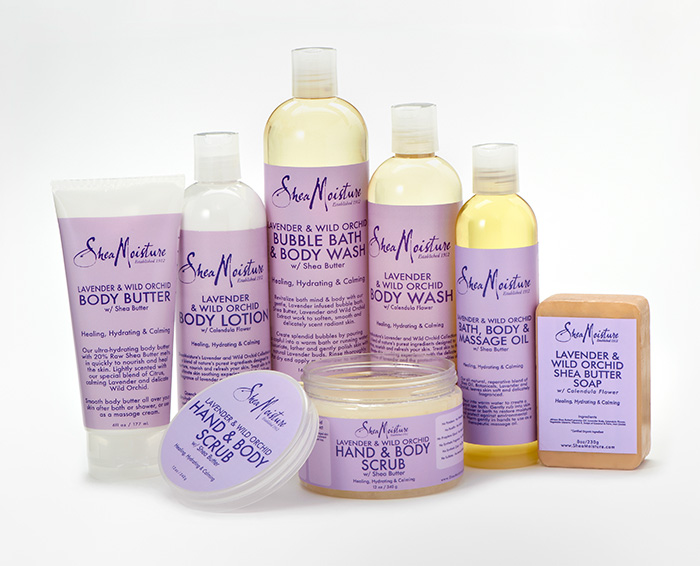
Shea Moisture is a globally recognized hair-care brand known for using shea butter and plant-based ingredients to cleanse, moisturize, and strengthen hair—especially textured, curly, and dry hair types. Its formulas focus on moisture retention, scalp health, and reduced hair breakage without harsh chemicals.
At Sami Hair, similar principles of nourishment and ingredient integrity are valued, emphasizing moisture-rich formulations that support textured and dry hair needs. Shea Moisture’s approach centers on improving hydration levels within the hair shaft while maintaining a balanced scalp environment. By incorporating natural oils and botanical extracts, the brand enhances elasticity, reduces brittleness, and helps prevent split ends caused by styling and environmental exposure.
Its sulfate-free and paraben-free formulations ensure gentle cleansing without stripping essential natural oils, making it suitable for routine use. With consistent application, users typically experience improved softness, better curl definition, enhanced shine, and stronger, healthier-looking hair.
What Is Shea Moisture?
Shea Moisture is a natural hair-care brand that develops shampoos, conditioners, deep treatment masks, and styling products formulated with shea butter and plant-based botanical ingredients. The brand is positioned within the clean beauty segment, focusing on nutrient-dense oils, herbal extracts, and protein-rich components that help restore hydration and reinforce hair structure.
Founded in the United States, Shea Moisture has gained strong adoption among individuals with curly, coily, wavy, dry, and chemically-treated hair types. Its product architecture is designed around moisture retention, strand repair, and scalp nourishment—key factors for maintaining elasticity and minimizing breakage. Many of its formulations are sulfate-free and avoid harsh surfactants that can strip natural oils, making them suitable for textured and moisture-sensitive hair.
Ingredient transparency is central to the brand’s identity. Product labels typically highlight core functional ingredients and avoid unnecessary synthetic additives. By combining emollients, humectants, and strengthening agents, Shea Moisture aims to support long-term hair health rather than deliver only short-term cosmetic results. With consistent use, users often report improved softness, enhanced curl definition, reduced frizz, and stronger overall hair resilience.
Key Facts About Shea Moisture
| Attribute | Details |
| Brand Name | Shea Moisture |
| Founded | 1912 (roots), modern brand expansion in the U.S. |
| Core Ingredient | Shea butter |
| Product Focus | Hair care & scalp care |
| Hair Types | Curly, coily, wavy, dry, damaged |
| Free From | Sulfates, parabens (most lines) |
What Is Shea Butter and Why Is It Used in Hair Care?
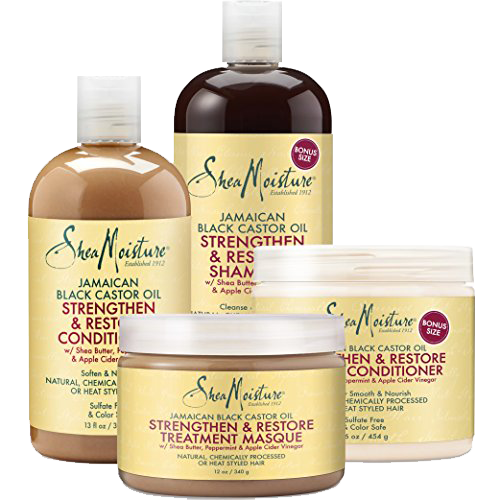
In modern hair science, moisture retention is one of the most critical factors influencing strength, elasticity, and overall hair integrity. Shea butter has emerged as a foundational ingredient in addressing this need. Extracted from the nuts of the African shea tree (
Vitellaria paradoxa
), this plant-based lipid is valued for its dense nutrient profile and structural compatibility with the hair fiber.
Unlike lightweight oils that primarily sit on the surface, shea butter contains a balanced composition of saturated and unsaturated fatty acids—such as oleic and stearic acids—that help reinforce the hair’s natural lipid barrier. This reinforcement reduces moisture evaporation and improves flexibility, making strands less prone to snapping under tension. For textured, curly, or chemically treated hair, which is naturally more susceptible to dryness, this lipid support is particularly beneficial.
Shea butter also contains vitamins A and E, offering antioxidant properties that help protect hair and scalp from environmental stressors. Its semi-occlusive nature smooths the cuticle layer, minimizing friction during combing and styling.
When formulated correctly in conditioners, masks, and leave-in treatments, shea butter enhances softness, reduces frizz, and improves manageability. With consistent application, it contributes to stronger, more resilient hair while maintaining long-term hydration balance.
- Seals moisture into the hair shaft
- Improves softness and manageability
- Helps reduce dryness and brittleness
- Supports scalp comfort
- Adds natural shine without buildup

How Does Shea Moisture Work for Different Hair Types?
Hair types differ in porosity, density, curl pattern, and oil distribution. Because of these structural differences, a single formulation rarely performs optimally across all textures. Shea Moisture addresses this variability by combining mild surfactants with lipid-rich emollients that cleanse effectively while preserving the hair’s natural sebum balance.
For curly and coily hair, which tends to be more porous and prone to dryness, formulations typically emphasize intensive hydration and cuticle smoothing. Humectants draw moisture into the cortex, while shea butter and botanical oils seal that moisture in. This reduces frizz, enhances curl definition, and improves elasticity, minimizing breakage during detangling.
Wavy hair, which can experience buildup or weigh-down from heavy products, benefits from balanced formulations that provide moisture without excessive residue. Lightweight conditioners and sulfate-free cleansers maintain volume while controlling frizz and enhancing natural texture.
For dry or damaged hair—often the result of chemical treatments, heat styling, or environmental stress—protein-infused and strengthening lines help reinforce weakened strands. These products support the hair shaft by improving tensile strength and reducing split ends. Conditioning agents smooth the cuticle layer, restoring shine and improving manageability.
Scalp-focused ranges are developed for individuals experiencing dryness, irritation, or sensitivity. Gentle cleansing bases combined with soothing botanical extracts help maintain microbiome balance while reducing flaking and discomfort. By addressing scalp health alongside strand care, overall hair growth conditions improve.
Each Shea Moisture collection is structured around a primary hair concern, whether it is moisture replenishment, repair, curl enhancement, or scalp care. Through targeted ingredient selection and sulfate-free cleansing systems, the brand provides adaptable solutions that align with diverse hair textures and functional needs, delivering hydration, structural support, and long-term resilience.
Shea Moisture by Hair Type
| Hair Type | Suitable Product Focus |
| Curly Hair | Curl definition: moisture retention |
| Coily Hair | Deep nourishment, breakage repair |
| Wavy Hair | Lightweight hydration |
| Dry Hair | Intensive moisture |
| Damaged Hair | Protein balance and repair |
Why Is Shea Moisture Popular for Curly and Textured Hair?
Curly and textured hair requires a fundamentally different care approach compared to straight hair. Due to its spiral structure, natural scalp oils have difficulty traveling down the hair shaft, leading to increased dryness and higher susceptibility to breakage. This structural characteristic makes consistent moisture retention essential.
Shea Moisture is widely adopted within the textured hair community because its formulations prioritize hydration without compromising the hair’s natural lipid barrier. Instead of relying on harsh detergents that strip essential oils, the brand typically uses sulfate-free cleansing systems combined with emollients and humectants. This approach allows the hair to be cleansed effectively while preserving internal moisture balance.
Rich conditioning agents such as shea butter and botanical oils coat the cuticle layer, reducing friction and minimizing frizz. At the same time, balanced formulations prevent excessive heaviness that can weigh down curls or cause buildup. By supporting elasticity and improving strand flexibility, these products help reduce mechanical breakage during detangling and styling.
Through moisture-focused formulation strategies, Shea Moisture aligns well with the physiological needs of curly and coily hair, contributing to enhanced curl definition, softness, and long-term resilience.
- Curl-friendly ingredient profiles
- Focus on hydration and slip
- Wide product variety
- Compatible with curl-care routines
- Suitable for protective styling support
What Are the Main Shea Moisture Product Categories?
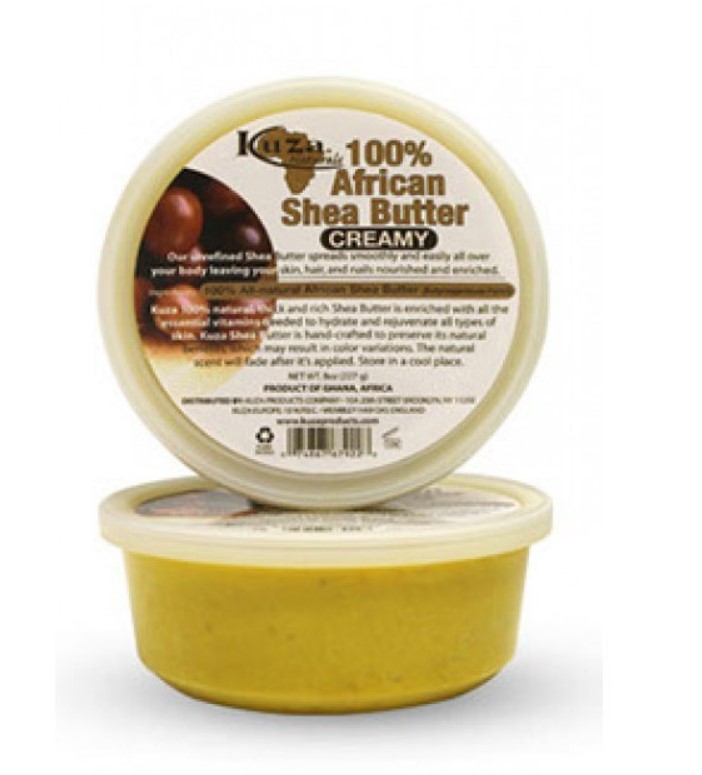
Shea Moisture structures its portfolio into four primary product categories: cleansing, conditioning, treatment, and styling. This segmentation enables users to design a systematic hair-care routine tailored to specific texture patterns, porosity levels, and damage concerns. The framework is functional rather than cosmetic, ensuring each step supports hydration balance and structural integrity.
Cleansing products include sulfate-free shampoos and co-washes formulated to remove buildup without stripping natural oils. These products typically combine mild surfactants with moisturizing agents, making them suitable for dry, curly, or chemically treated hair types.
Conditioning products range from rinse-out conditioners to leave-in formulations. Their purpose is to replenish moisture, smooth the cuticle, and improve detangling efficiency. Emollients and humectants are balanced to enhance softness while maintaining volume control.
Treatment products focus on deeper repair and reinforcement. Hair masks, protein treatments, and intensive moisture therapies are designed to strengthen weakened strands, reduce breakage, and improve elasticity. These are typically used on a weekly basis to restore structural resilience.
Styling products include creams, gels, smoothies, and edge control solutions that define texture, manage frizz, and maintain hold without excessive stiffness.
Similar category structuring is also adopted by brands like Sami Hair, allowing consumers to build comprehensive routines that address cleansing, nourishment, repair, and styling within a cohesive system.
- Shampoos: Gentle cleansing without excessive stripping
- Conditioners: Daily moisture and detangling
- Hair Masks: Deep conditioning treatments
- Leave-Ins: Ongoing hydration
- Styling Products: Creams, gels, butters for definition
How Do You Use Shea Moisture in a Hair Care Routine?
An effective hair-care routine is built on sequence, consistency, and product compatibility. Shea Moisture products are designed to function within a layered system that addresses scalp cleansing, moisture replenishment, structural repair, and styling control.
The process begins with cleansing. A sulfate-free shampoo or co-wash removes buildup while preserving the hair’s natural lipid layer. This step ensures the scalp remains balanced without causing excessive dryness, particularly important for curly and textured hair.
The second phase focuses on conditioning. A rinse-out conditioner restores hydration and smooths the cuticle, improving manageability and reducing friction during detangling. For enhanced repair, a deep treatment mask can be incorporated weekly to strengthen strands and improve elasticity.
Post-wash care involves applying a leave-in conditioner to maintain moisture levels throughout the day. Styling products, such as curl creams or gels, are then layered to define texture, control frizz, and provide a flexible hold.
When applied systematically and adjusted according to hair porosity and density, Shea Moisture products support sustained hydration, improved resilience, and better overall texture definition.
- Cleanse with Shea Moisture shampoo
- Condition with matching conditioner
- Apply a hair mask weekly
- Use leave-in conditioner
- Style with curl cream or gel
This structure supports consistent hydration and reduced breakage.
Is Shea Moisture Sulfate-Free and Silicone-Free?
Most Shea Moisture products are formulated without sulfates and harsh silicones, although ingredient compositions may vary across specific collections. The brand generally avoids strong cleansing agents such as sodium lauryl sulfate (SLS) and sodium laureth sulfate (SLES), which are known to create excessive lather but can strip natural oils from the scalp and hair shaft.
Sulfate-free cleansing systems use milder surfactants that remove buildup while preserving the hair’s lipid barrier. This is particularly important for curly, coily, dry, or chemically treated hair, where moisture retention is critical for elasticity and breakage prevention. By maintaining internal hydration levels, sulfate-free formulas support smoother cuticles and reduced frizz.
Regarding silicones, many Shea Moisture lines either limit or exclude non-water-soluble silicones that can accumulate on the hair over time. Excessive silicone buildup may weigh hair down, reduce volume, and block moisture penetration if not properly clarified. By minimizing heavy silicone use, the formulations aim to maintain breathability and long-term manageability.
Because product lines differ, reviewing individual ingredient labels remains essential. However, the overall formulation strategy prioritizes gentle cleansing, moisture preservation, and reduced residue accumulation.
- Prevents excessive dryness
- Helps maintain curl pattern
- Supports scalp comfort
- Improves long-term hair health
What Ingredients Are Commonly Found in Shea Moisture Products?
Ingredient composition plays a central role in how effectively a hair-care product performs across different textures and conditions. Shea Moisture products are typically formulated with a combination of plant-based lipids, botanical extracts, and targeted conditioning compounds designed to support hydration and structural integrity.
A foundational component in many formulations is shea butter, which delivers emollient properties that help seal moisture into the hair shaft. Complementing this are natural oils such as argan oil, coconut oil, castor oil, and jojoba oil. These oils improve lubrication, reduce mechanical damage during combing, and enhance surface smoothness for better light reflection and shine.
Botanical extracts like aloe vera, hibiscus, neem, and green tea are frequently included to provide antioxidant protection and scalp-calming benefits. Humectants such as glycerin attract and retain water within the hair fiber, supporting elasticity and flexibility.
In strengthening-focused lines, hydrolyzed proteins may be added to reinforce weakened strands. Together, these ingredients create balanced systems aimed at moisture retention, reduced frizz, and improved manageability across diverse hair types.
- Shea butter
- Coconut oil
- Castor oil
- Aloe vera
- Argan oil
- Jojoba oil
Each ingredient supports hydration, strength, or scalp balance.
How Is Shea Moisture Different from Other Hair Care Brands?
The hair-care market is saturated with products that prioritize cosmetic finish over structural health. Shea Moisture differentiates itself through a formulation philosophy centered on textured hair biology, long-term moisture retention, and clear ingredient positioning.
Unlike many mainstream brands that formulate primarily for straight or mildly wavy hair, Shea Moisture develops products specifically aligned with curly, coily, and high-porosity hair types. These textures naturally experience uneven oil distribution along the shaft, making hydration management essential. As a result, the brand emphasizes moisture-first systems rather than volume-first or shine-only approaches.
Another distinguishing factor is its reliance on plant-derived lipids, butters, and botanical extracts as functional ingredients rather than decorative additions. Emollients and humectants are intentionally layered to reinforce the hair’s natural lipid barrier, improving elasticity and reducing mechanical breakage over time.
Ingredient transparency is also a defining characteristic. Many product lines clearly communicate the absence of sulfates and harsh detergents, allowing consumers to make informed decisions based on scalp sensitivity and hair porosity.
While numerous brands market “moisturizing” claims, Shea Moisture integrates hydration, strengthening, and scalp care into structured collections tailored to specific concerns. This targeted approach positions it less as a generic cosmetic brand and more as a texture-focused hair-care system built around sustained moisture balance and resilience.
Shea Moisture vs Conventional Brands
| Feature | Shea Moisture | Conventional Brands |
| Moisture Focus | High | Moderate |
| Sulfates | Mostly absent | Often present |
| Target Hair Types | Textured & dry | General |
| Botanical Oils | Common | Limited |
Is Shea Moisture Suitable for All Hair Types?
Hair compatibility is determined less by brand name and more by formulation density, ingredient balance, and structural alignment with the hair fiber. Shea Moisture offers a wide portfolio that can serve multiple hair types, but optimal results depend on selecting the appropriate collection for individual needs.
Textured, curly, and high-porosity hair generally responds well to richer, emollient-based formulas. These hair types lose moisture rapidly due to cuticle lift and structural curvature. Cream-based conditioners, deep masks, and oil-infused stylers help reinforce hydration levels, improve elasticity, and reduce breakage.
In contrast, fine or low-porosity hair often requires lighter formulations. Because the cuticle layer lies flatter, heavy butters and dense oils may remain on the surface instead of penetrating effectively. This can lead to buildup, reduced movement, and diminished volume. Lightweight, water-based conditioners and balanced protein blends typically provide better absorption without excess weight.
For wavy or medium-density hair, moderate hydration combined with frizz control is usually sufficient. Product layering should be minimal to preserve natural body and definition.
Therefore, Shea Moisture is not restricted to one texture category. It can be suitable for many hair types when product weight, porosity compatibility, and scalp condition are carefully considered during selection.
What Are the Best Shea Moisture Products for Dry Hair?
The best Shea Moisture products for dry hair focus on deep hydration and moisture sealing.
- Intensive hydration shampoos
- Deep conditioning masks
- Leave-in conditioners
- Curl-enhancing creams
Product choice should align with hair thickness and porosity.
How Does Shea Moisture Support Scalp Health?
Scalp condition directly influences hair density, growth cycle stability, and overall strand quality. Shea Moisture addresses scalp health by combining mild cleansing systems with botanical ingredients known for their soothing and balancing properties. Instead of relying on aggressive surfactants that can disrupt the scalp’s natural barrier, many formulations use sulfate-free cleansers that remove buildup without excessive dehydration.
A balanced scalp environment requires controlled sebum levels, proper hydration, and minimal inflammation. Ingredients such as aloe vera, tea tree oil, peppermint extract, and neem are often incorporated to calm irritation, reduce dryness, and support microbial balance. These components help alleviate flaking and discomfort while maintaining optimal moisture levels.
Gentle cleansing also plays a preventive role. By removing excess oil, styling residue, and environmental pollutants without stripping protective lipids, the scalp remains less prone to sensitivity or imbalance. Improved scalp circulation during washing further enhances nutrient delivery to hair follicles.
When the scalp barrier remains intact and irritation is minimized, hair growth potential improves. Consistent scalp-focused care contributes to stronger follicular anchoring, reduced shedding linked to inflammation, and overall healthier hair development over time.
Can Shea Moisture Help Reduce Hair Breakage?
Hair breakage is often the result of reduced elasticity, cuticle damage, and chronic moisture loss. Formulations that prioritize hydration and lipid reinforcement can significantly lower this risk. By improving internal moisture balance, strands become more flexible and better able to withstand mechanical stress from brushing, heat styling, or protective styling routines.
When hair is adequately moisturized, it bends rather than snaps under tension. Emollients help smooth the cuticle layer, reducing friction during detangling, while conditioning agents enhance slip and manageability. Over time, consistent moisture support strengthens strand resilience, leading to fewer split ends and visibly healthier hair structure.
Is Shea Moisture Safe for Color-Treated Hair?
Color-treated hair requires controlled cleansing to prevent premature fading and structural dryness. Most Shea Moisture formulations utilize sulfate-free surfactant systems that cleanse without aggressively stripping pigment from the hair shaft. This is particularly important after chemical processing, where the cuticle layer is more porous and susceptible to moisture loss.
By reinforcing hydration through emollients and conditioning agents, these formulations help maintain elasticity and surface smoothness. A smoother cuticle reflects light more effectively, supporting color vibrancy and shine. When paired with minimal heat exposure and proper conditioning, gentle cleansing systems can contribute to extended color longevity and improved overall hair integrity.
Why Do Professionals Recommend Shea Moisture for Natural Hair?
Natural hair textures require sustained moisture support, controlled frizz management, and structural protection to maintain definition and strength. Professionals often recommend Shea Moisture because its formulations emphasize hydration retention and cuticle smoothing, both critical for curl clarity and elasticity.
Moisture-balanced cleansers and emollient-rich conditioners help reduce breakage during detangling, while styling creams enhance pattern definition without excessive stiffness. These properties align well with salon treatments such as deep conditioning or protein therapies. When integrated into structured at-home maintenance routines, such systems support long-term manageability, improved texture consistency, and overall hair resilience.
How Should Shea Moisture Products Be Stored?
Proper storage conditions play a role in preserving formulation stability and performance. These products should be kept at a consistent room temperature, ideally in a cool, dry environment away from direct sunlight or excessive humidity. Prolonged heat exposure can alter texture, affect emulsions, and degrade sensitive botanical components.
Lids should be tightly sealed after each use to prevent contamination and evaporation. Avoid storing near showers or windows where temperature fluctuations occur frequently. Controlled storage helps maintain ingredient integrity and ensures consistent product effectiveness over time.
Is Shea Moisture Environmentally Conscious?
Environmental positioning has become a key evaluation metric within the beauty industry. Shea Moisture promotes responsible ingredient sourcing, particularly in relation to shea butter procurement from community-based cooperatives. Such sourcing models support local economies while encouraging sustainable harvesting practices.
In addition, the brand emphasizes reduced reliance on harsh synthetic additives and highlights ingredient transparency, which aligns with clean-beauty standards. Packaging initiatives increasingly incorporate recyclable materials to lower environmental impact.
These efforts correspond with rising consumer demand for ethical, socially responsible beauty brands that integrate sustainability, community empowerment, and product performance within a unified value proposition.
Frequently Asked Questions About Shea Moisture
1. What hair types benefit most from Shea Moisture?
2. Can Shea Moisture be used daily?
3. Does Shea Moisture help with frizz?
4. Is Shea Moisture suitable for children?
5. Can Shea Moisture weigh hair down?
6. Does Shea Moisture promote hair growth?
7. Is Shea Moisture good for protective styles?
How Shea Moisture Fits Into a Professional Hair Care Approach at Sami Hair
Within a professional hair-care framework, product performance is evaluated based on formulation integrity, ingredient compatibility, and long-term structural benefits. Moisture-focused systems that emphasize gentle cleansing and balanced conditioning align closely with salon-grade standards centered on hydration control, scalp stability, and fiber reinforcement.
A results-driven approach begins with proper hair analysis—assessing porosity, density, texture pattern, and scalp condition. Selecting products according to these variables ensures optimal absorption and minimizes buildup or imbalance. Understanding the functional role of emollients, humectants, and strengthening agents allows for customized routines that enhance elasticity and reduce breakage.
When integrated thoughtfully into a structured regimen, such formulations support sustainable hair strength, improved manageability, and consistent moisture retention tailored to individual hair profiles.
Summary
Shea Moisture is a moisture-focused hair-care brand formulated around shea butter, plant-derived oils, and nutrient-rich botanical extracts. Its product philosophy centers on maintaining hydration balance, reinforcing strand structure, and minimizing breakage caused by environmental stressors and routine styling. By prioritizing sulfate-free cleansing systems and emollient-based conditioning agents, the brand supports long-term hair integrity rather than delivering only temporary surface smoothness.
The formulations are particularly effective for textured, curly, coily, and dry hair types that naturally experience higher moisture loss due to their structure. By strengthening the lipid barrier and smoothing the cuticle layer, Shea Moisture products enhance elasticity, reduce frizz, and improve manageability over time. Many lines also incorporate scalp-supporting ingredients to create a balanced foundation for healthier hair growth.
Similar moisture-first strategies are adopted by brands like Sami Hair, which also emphasize ingredient clarity and texture-specific solutions. Overall, Shea Moisture remains positioned as a hydration-driven system designed to improve resilience, softness, and overall hair performance through consistent, structured care.